History 2276: African American History Since 1865

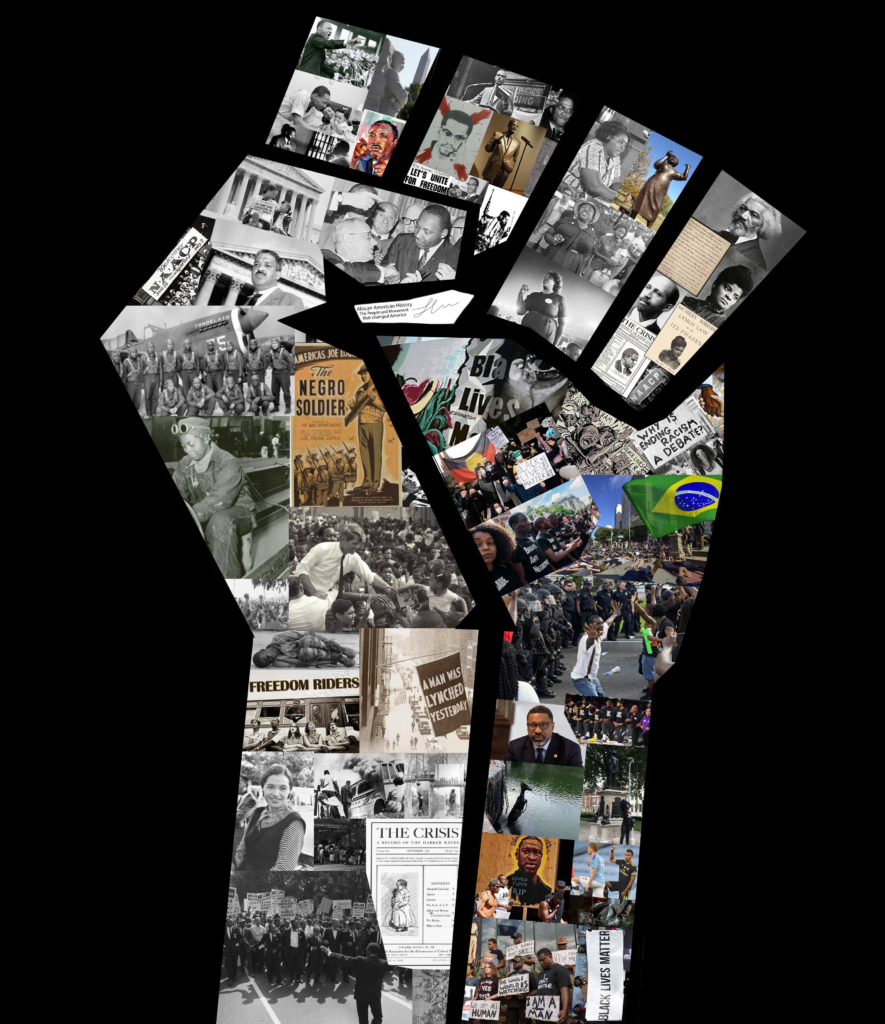
From a jail cell in Birmingham, Alabama, Dr. Martin Luther King Jr. wrote these immortal words on a few scraps of paper: “We shall overcome because the arc of the moral universe is long but bends toward justice.” But he did not mean that progress is inevitable in society, intrinsic in history, or even inherent to humanity. The arc bends toward justice because generation after generation of Black people and their allies have struggled, fought, and died for liberation since the birth of the United States. History/ African American Studies 2276 will explore the social, cultural, and political history of African Americans since the Civil War. From Black Reconstruction to #BlackLivesMatter, this course will trace the long Black freedom struggle, studying the victories, the limitations, and the inevitable backlashes. We will examine the anatomy of race massacres, lynchings, and rebellions throughout the late nineteenth and twentieth centuries, and we will also study mass political movements against state-sanctioned violence and structural inequality under law. A content warning: The readings, films, and course materials will focus on the lived experiences of Black people, who inherently faced discrimination, racial terror, trauma, and violence. But this class will also demonstrate the power of grassroots activism; amplify Black culture, music, art, and literature; and it will highlight individual acts of moral courage, everyday resistance, and the stories of ordinary people who enacted extraordinary social change.
Teaching Resources
History 3254: The Vietnam War
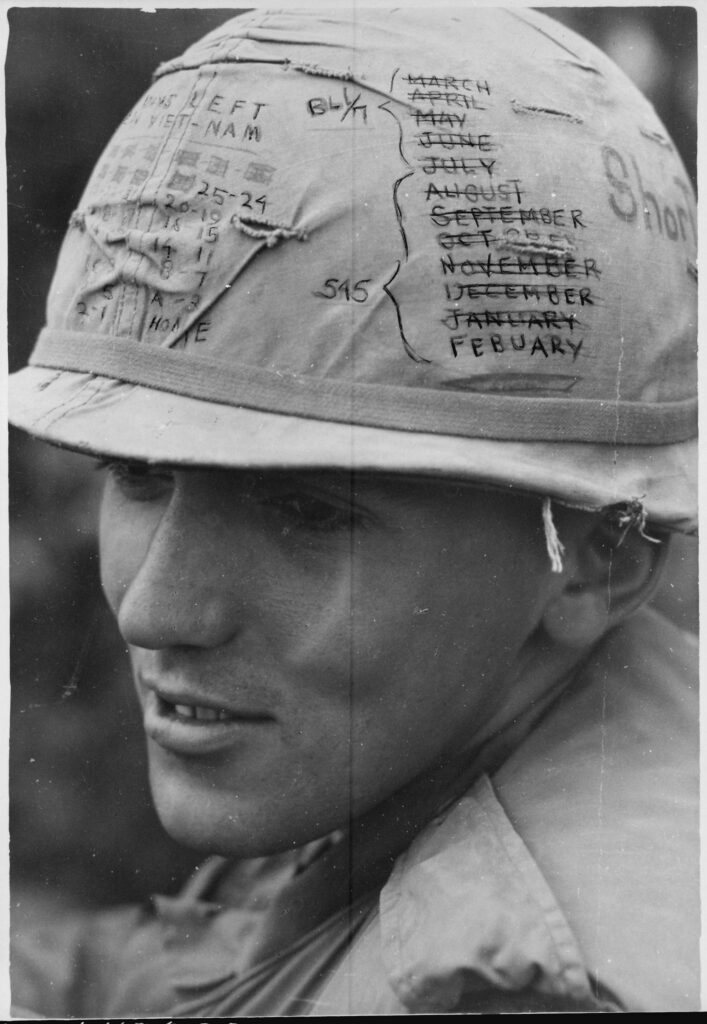
History 3254 will trace the legacies, record the impacts, and make sense of the Vietnam War. In American national memory, the Vietnam War has become sanitized; Dr. King had a dream, we all remember, but most schools don’t teach you that it was “broken and eviscerated . . . [by] a society gone mad on war.” Students will disentangle the connections between the expansion of the U.S. military power abroad and the restrictions on civil liberties at home. We will explore the roots of revolutionary nationalism and U.S. involvement in Vietnam; foreign policy in the Cold War era; experiences of soldiers, veterans, and civilians on all sides of the conflict; class, race, and gender; the antiwar movement; as well as legacies, collective memory, and lasting consequences. Content warning: Histories of violence can elicit vastly different responses from students and the public today. The consequences of this history have very real impacts on many people who are still alive, some you may know personally. Some of you may be veterans, ROTC, or military members. Others may be the grandchildren of refugees, victims, and survivors. Our lives are inherently shaped by the history of war. As an optional final project, students will record oral history interviews with veterans and others whose lives were affected by the war in Vietnam.
Teaching Resources
History 3764: Oral History

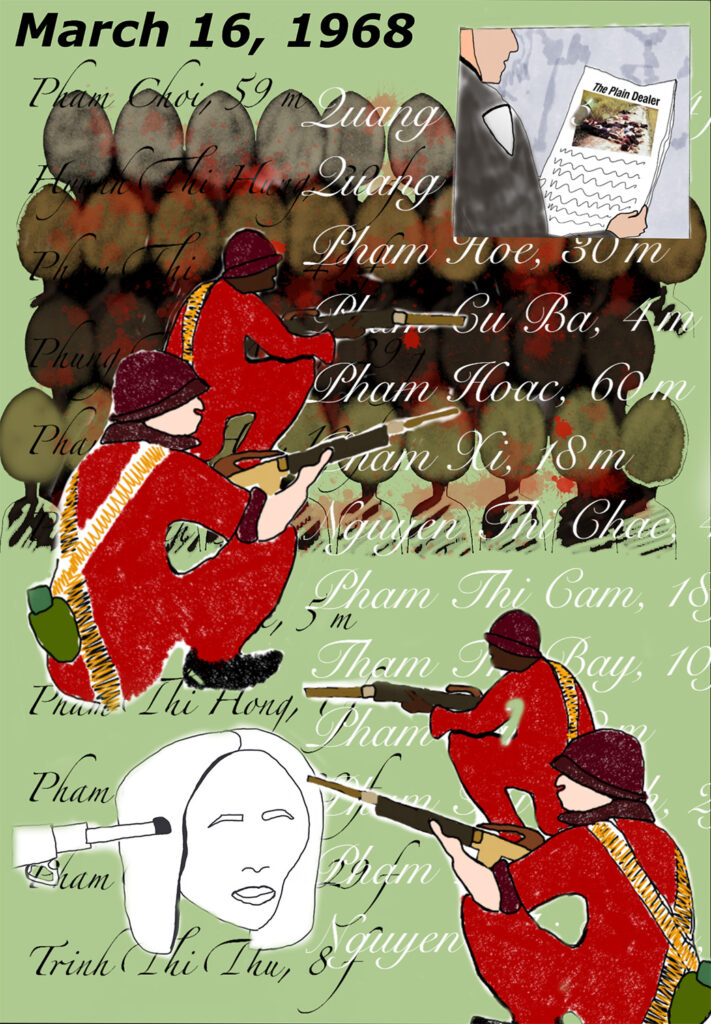
Oral history has amplified the voices of marginalized people who were traditionally erased from the archives and historical records, including formerly enslaved people and Civil Rights activists, workers, women, LGBTQ communities, immigrants, refugees, and veterans. Over the past several decades, oral history has transformed our understanding of the past and made the field of history more democratic, inclusive, and representative. It enables students and emergent scholars to create new historical knowledge and to explore the depths of both collective and personal memory. But this methodology also presents numerous challenges, ethical considerations, and the need for a set of best practices and principles. This class will explore these topics and more, as we prepare oral history projects of our own. Students will gain technical training, learn interview techniques, make oral histories accessible, and help preserve them in archives. Throughout the process, we will study social change in living history with the ultimate goals of documenting stories of democracy, community engagement, activism, and in/justice.
