Dissidents: Veterans Speak Out for Justice
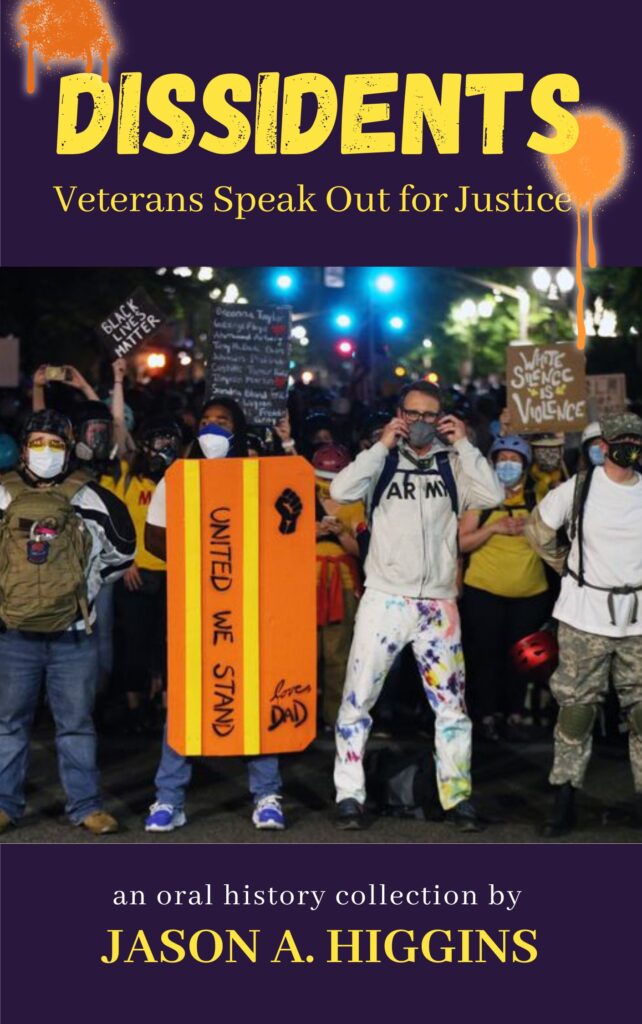
Dissidence is patriotism. This Digital Humanities project shows how some American veterans repurposed their military service to speak out and organize against injustices. U.S. military veterans are not a monolith. Their experiences and their views are as diverse as the communities they represent and serve. In media and popular memory, veterans are often represented as symbols of nationalism – used to quell mass protests, to silence dissent, and to reinforce uncritical support for the U.S. military and government. But throughout American history, veterans fought on the front lines of social change, mobilizing for Black freedom, advocating for equality, and forming mass protests against the Vietnam War. Based on a collection of oral history interviews, this project features the stories of eight veterans who spoke out against systemic injustices – racism, imperialism, and sexual violence in the military. From the Vietnam War-era to the wars in Iraq and Afghanistan, these veterans served abroad and then organized at home, defending Constitutional rights and fighting for justice.
Face to Face with Slavery (Virginia Tech Publishing Fall 2026)
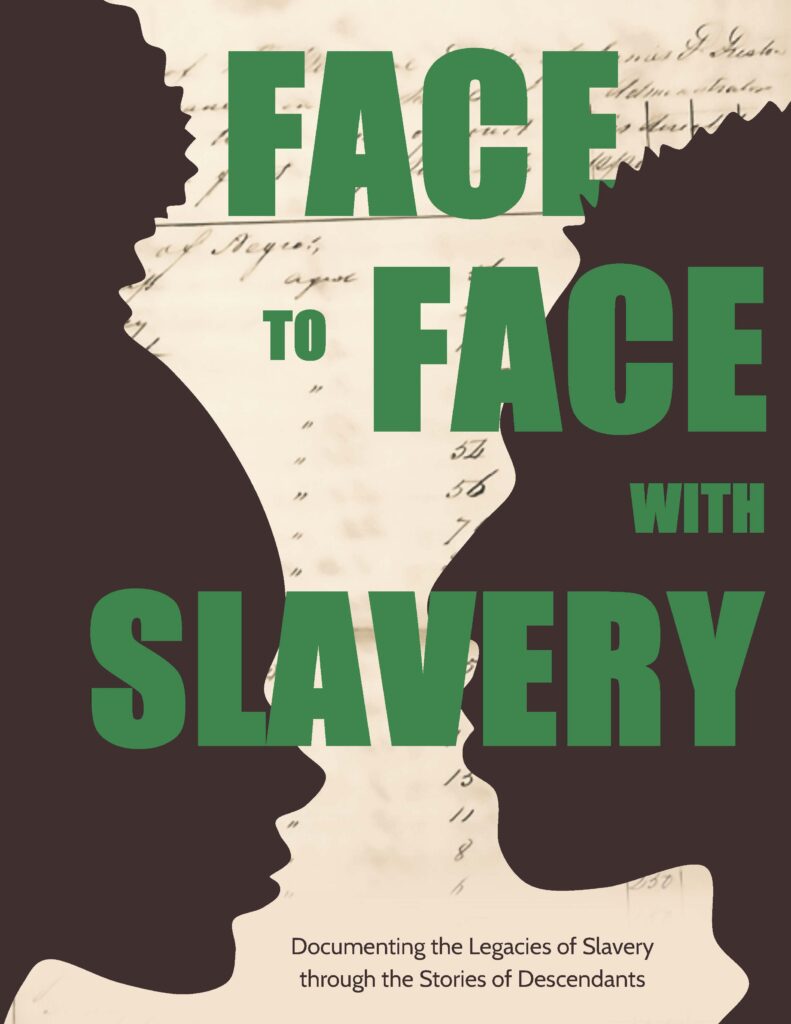
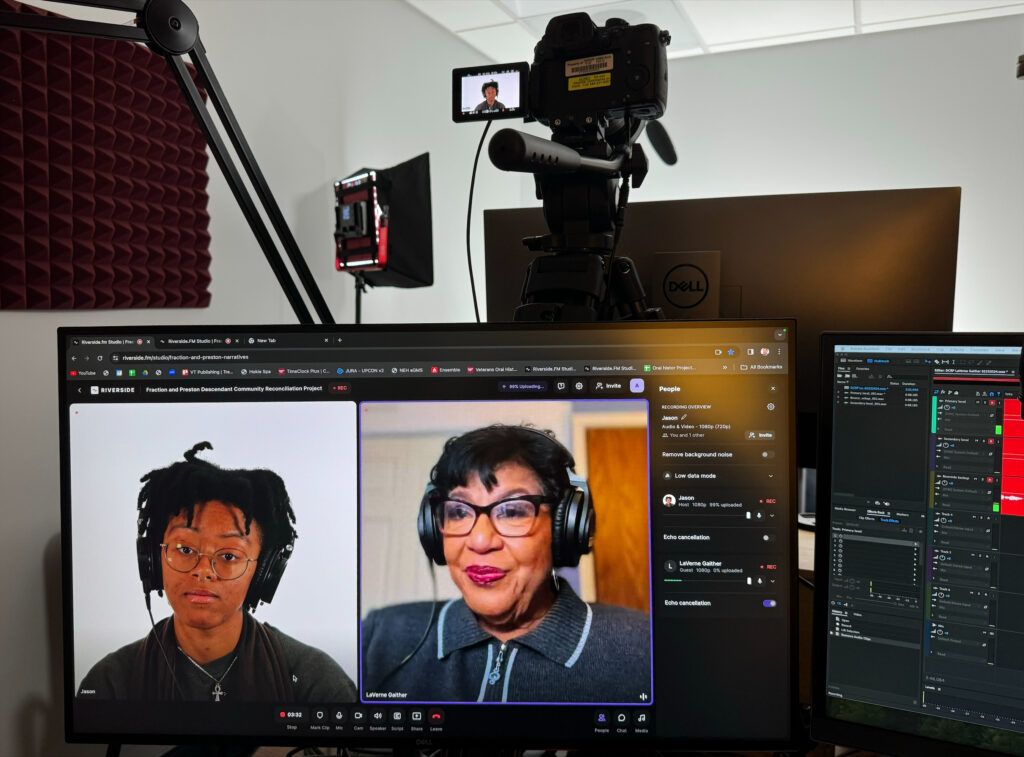
Between 1774 and 1865, more than 200 people were enslaved on the land that Virginia Tech was built upon. In March of 2022, during its 150th commemoration, Virginia Tech invited to campus descendants of the Fraction and McNorton families, whose ancestors were enslaved at Smithfield and Solitude plantations. That Spring, students in my Oral History undergraduate course recorded oral histories with more than 20 descendants. Since then, I have been partnering with Dr. Kerri Moselely-Hobbs, executive director of the More Than a Fraction Foundation to carry on this work. We are continuing to record oral histories with descendants whose ancestors were enslaved in southwestern Virginia. We are exploring the potential of oral history as part of the process for truth and reconciliation between the descendants of the enslaved and the enslavers. In this spirit, we are also recording interviews with members of the Preston family, whose ancestors enslaved the Fractions. This project aims not only to record the stories, memories, and experiences of past generations, but it also seeks to document this moment of reckoning, as the descendants of both families confront their relationships to the institution of slavery. Only in the past few years have family members begun to acknowledge the history of slavery at Smithfield, and thanks in large part to Dr. Kerri Moselely-Hobbs, Virginia Tech has also begun the long process of acknowledging this troubling history, too. In this moment, as the United States confronts a more honest accounting of history, we believe the stories of these families can teach us about how to face ongoing racial violence and the living legacies of slavery.

Rise of Military Women
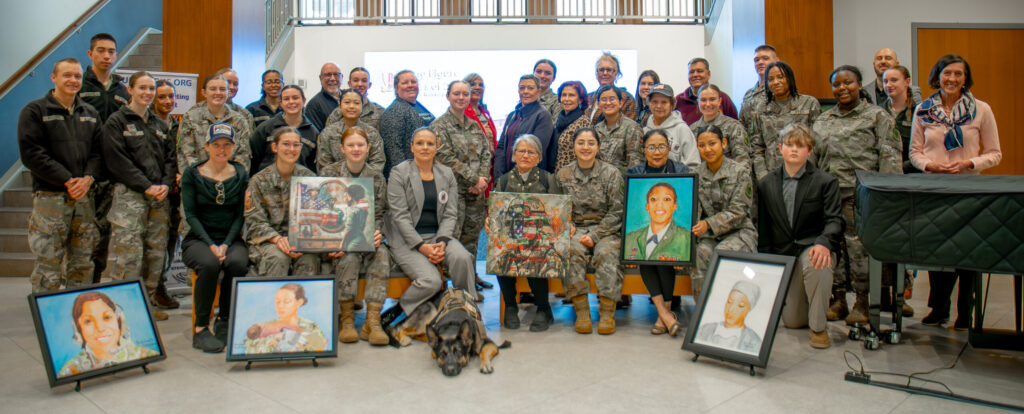
Virginia Humanities Project in partnership with Uniting US, AnnMarie, Jim Dubinsky and the Veterans in Society Initiative, and Virginia Tech Publishing, we recorded a symposium and ten oral history interviews. The following website features their stories and provides historical context and resources on learning more about women veterans.
The Rise of Military Women documents the significant impact and contributions women have made on the military from World War II to the present. The stories shared here, augmented by historical material, challenge social stereotypes, promote empathy, and encourage civic engagement. We hope the stories, creative expressions, and historical documents will serve to honor the contributions of all women who have served, deepen the public’s understanding of gender and service, and inspire action and positive change for all current and future generations.
On this website, our goal is to educate and invite reflection on the roles, experiences, and impact of American women on the military. We provide first-hand accounts of historical events, adding depth and nuance to our understanding of the past. These narratives reveal the unique challenges and triumphs women have faced in the military from World War II to the present day. They also demonstrate that there is no “singular” veteran experience.
Things They Still Carry
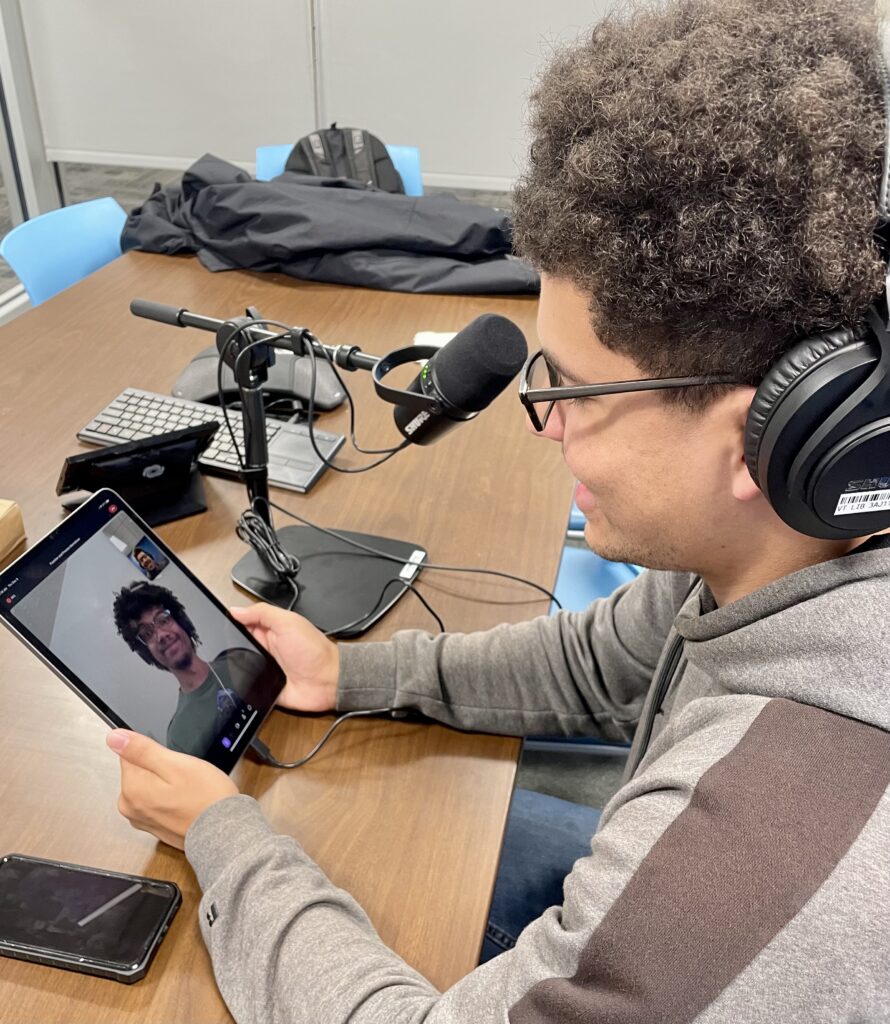
With my colleague, Dr. Jim Dubinsky, co-founder of the Veterans in Society initiative at Virginia Tech, I am currently supervising an oral history project with alumni of the Virginia Tech Corps of Cadets who served in the Vietnam War. In partnership with the Corps of Cadets, I am training students who volunteered to record remote interviews with veterans. “The Things They Still Carry” seeks to provide educational opportunities for students and the public to understand the experiences of Vietnam veterans and, equally important, for veterans to share their stories, participate in the Library of Congress Veterans History Project, and to share lessons with the next generation.
I have been developing a new model for making oral histories more accessible and for employing digital publishing tools to create exhibits based on oral history collections.
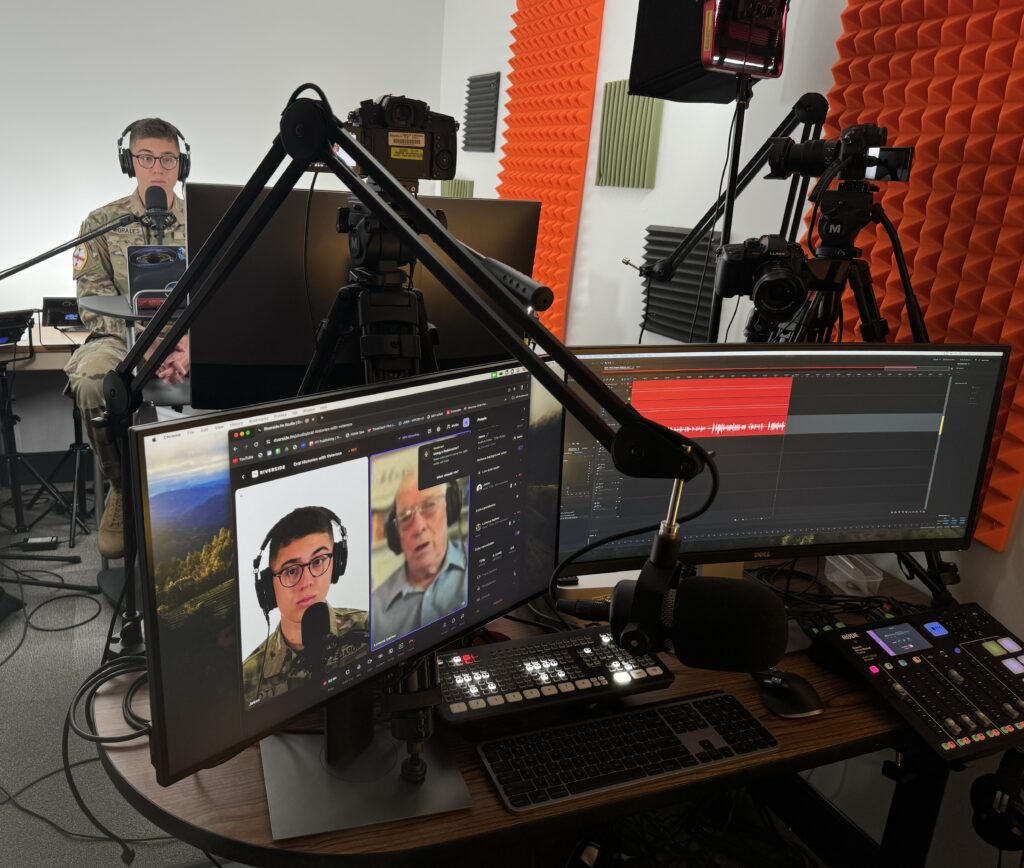
Since 2021, I have been involved in projects that seek to educate the public about the experience of war and increase understanding of veterans through oral history interviews and teaching. Students in my Vietnam War course have recorded more than 30 oral history interviews with Vietnam veterans and most were archived in the Library of Congress Veterans History Project.
NEH Summer Institute on Oral History Veterans Studies

In the summer of 2023, I directed a NEH Summer Institute for K-12 teachers, “Crossing Divides: Connecting Veterans, Teachers, and Students through Oral History
Summer institute for two weeks of workshops, lectures, and field trips to Washington D.C., designed to prepare 20 K-12 educators to plan and carry out oral history projects with veterans in their local communities. See more details at the link above, including bios of the team members, visiting scholars, a detailed itinerary, the institute’s reading schedule and recommendations for further readings, training modules, and more resources.
Crossing the Military-Civilian Divide
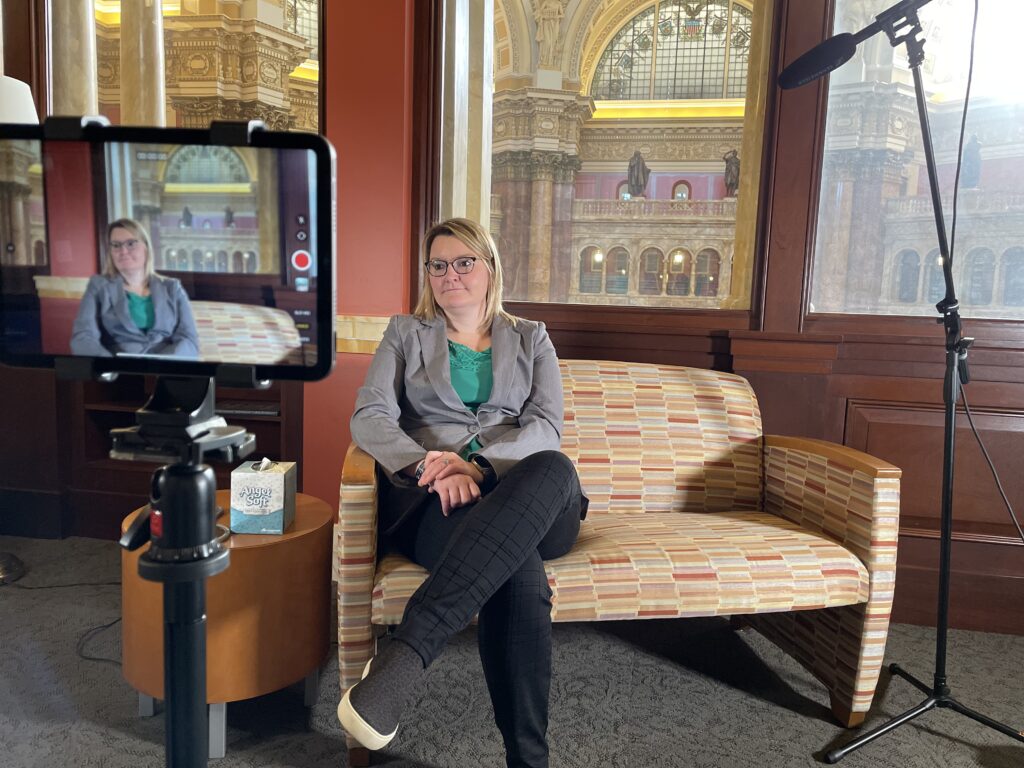
Beginning in 2022, I directed an oral history project entitled, “Crossing the Military-Civilian Divide” with veterans in Virginia, documenting the stories of diverse groups of veterans, including African Americans, women, LGBTQ, antiwar, and veterans with disabilities. This project was part of a 4-Va collaboration grant between Virginia Tech and the College of William & Mary with Andre Taylor as my collaborating partner. We completed approximately twelve interviews and are in the process of creating a digital exhibit featuring their stories. Click on the photo to view the full interview with Jennifer Dane, CEO of the Modern Military Association of America.
I have made selected oral histories available on my Youtube page.
Incarcerated Veterans Oral History Project
From 2017-20, I directed the Incarcerated Veterans Oral History Project, recording the memories and experiences of nearly 60 U.S. military veterans involved in the criminal justice system, including formerly incarcerated veterans, advocates, and members of Veteran Treatment Courts. Studied the relationship between military-related trauma, disability, mental health, discrimination, and the incarceration of veterans of wars in Vietnam, Iraq, and Afghanistan. My book, Prisoners after War: Veterans in the Age of Mass Incarceration features their stories and is open-access.
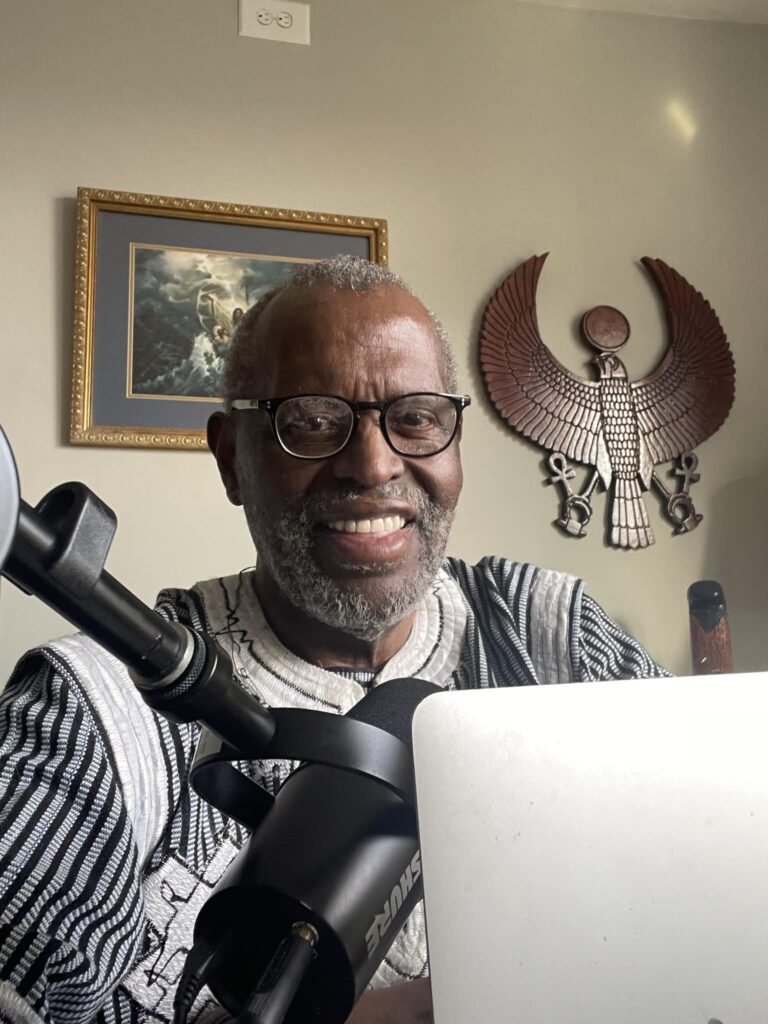
Ari Sesu Merretazon, a formerly incarcerated veteran founded the first VA office in a prison and testified to Congress in 1979 on issues related to incarcerated veterans.
Veterans History Projects
In total, I have completed over 150 oral history interviews with veterans since 2011. As an undergraduate, I first interviewed Leslie Hoppers, a USMC veteran who survived the battle of Tarawa, which was the most disastrous amphibious invasion in US history. He passed away a short while afterwards. During this time, I began interviewing Vietnam War veterans, becoming increasingly invested in studying reintegration experiences and traumatic memories. These experiences as an undergraduate were so moving and powerful that I have made it my life’s work to understand the often lifelong impacts of war and trauma on many veterans.
Len Gardner, survivor of Pearl Harbor attack to listen to the full oral history of his life and serving in the Navy during the Second World War. His memory of one night on a ship in the middle of the Pacific Ocean will surprise you!
During my graduate studies in English at Oklahoma State University, I completed nearly 30 interviews for the “Spotlighting Oklahoma” project as an intern in the Oklahoma Oral History Research Program. In 2014, I had the special privilege to interview Melvin Morris, an African American Vietnam veteran who had been denied the Congressional Medal of Honor due to racial discrimination, only to be awarded the medal forty years later by then-President Obama. That summer, I decided that after finishing my Master’s in English, I would seek a Ph.D. in History, specializing in the Vietnam War. As a public history student at UMass Amherst, I also had a rare opportunity to interview a survivor of the attack on Pearl Harbor, Len Gardner, who was 95 years old at the time. Selected interviews and excerpts from various projects can be viewed on my YouTube page.

